Retro Dog Hair Don’t Care SVG
First Impressions: A Wink, a Wag, and Zero Apologies
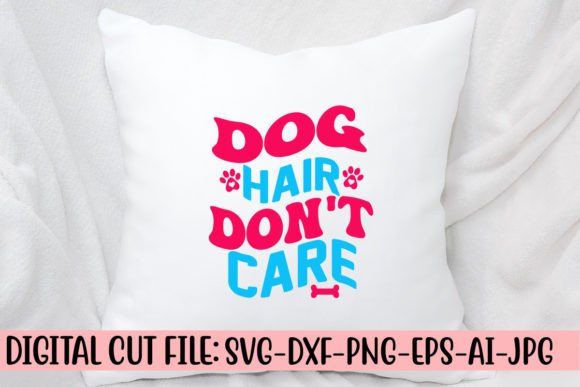
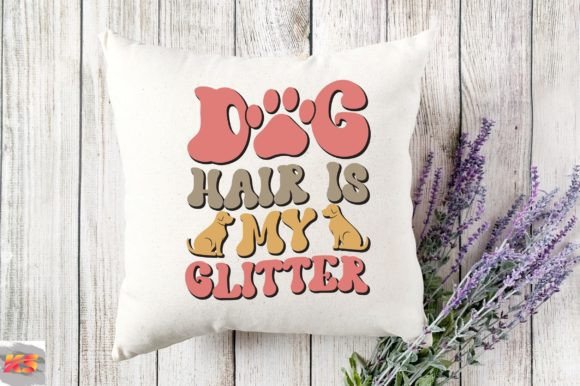
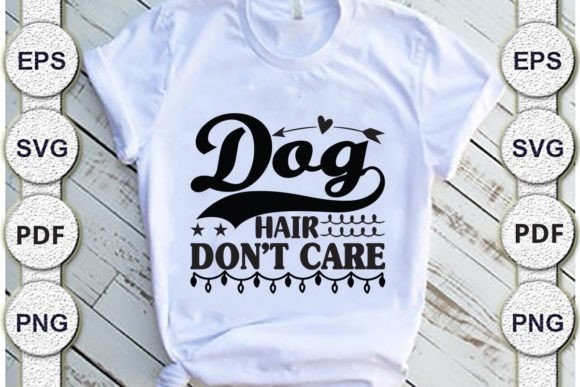
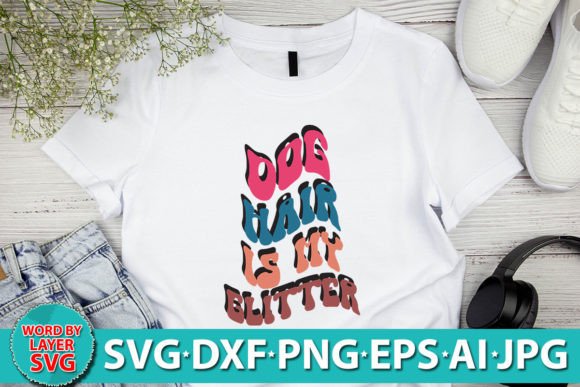
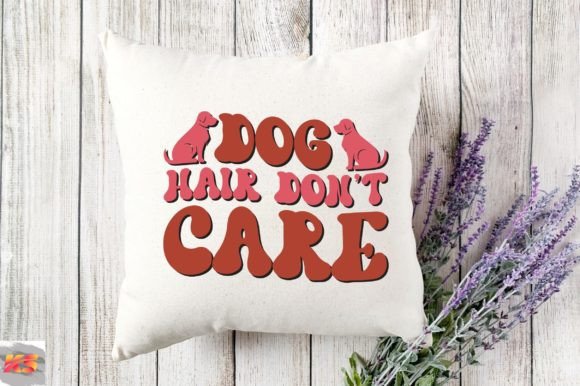
Opening the Retro Dog Hair Don’t Care SVG zip folder feels like flipping through a vintage pet magazine—bold, playful, unapologetically casual. The design features a stylized dog head in mid-shake, tongue lolling, ears flying, with chunky retro lettering that leans into 70s signage energy. It’s not fussy. It’s not precious. It’s confident in its scruffiness—and that’s exactly why it works so well for real embroidery projects.
Where This Design Naturally Lives (and Thrives)
I recently tested Retro Dog Hair Don’t Care SVG on a natural canvas tote bag destined for a local dog-walking co-op’s holiday pop-up. Paired with soft navy thread on off-white fabric, it stitched cleanly at 4.5" wide—no crowding, no distortion. That’s the sweet spot: medium-scale custom apparel and lifestyle goods where personality matters more than polish. Think sweatshirt embroidery for a rescue fundraiser, embroidered patches for volunteer vests, baby onesies with a cheeky “Nap Time? Nah.” vibe, or tea towels for a pet-friendly café. It’s also a standout as a digital embroidery file for Etsy sellers building themed bundles—“Retro Pet Lover Collection” practically writes itself.
What Holds Up Under Real Stitching (and What Needs a Second Look)
The lettering is generously spaced and avoids tight serifs or micro-details—great news for satin stitch execution. The dog’s outline uses smooth, open curves rather than jagged edges, which means fewer jump stitches and cleaner fill stitch transitions. I ran it as a standalone machine embroidery design on cotton twill (with medium tear-away stabilizer) and got crisp results even at 3.75". As an applique design? It’d work beautifully—just keep the background fabric lightweight enough to avoid bulk under the dog’s “hair” silhouette.
That said, caution applies in three places: First, on stretchy fabric like jersey knits—those bold letters can distort if hooping isn’t precise or stabilizer isn’t doubled. Second, on dark fabric: the design’s charm relies on contrast, so test thread colors carefully—charcoal gray on black fades; mustard yellow on navy pops. Third, on curved surfaces like caps: the shape doesn’t wrap naturally, so center it over the front panel—not the crown—and confirm your hoop size allows full clearance before stitching begins.
Small Hoop? Small Adjustments.
If you’re working with a 4"x4" hoop, scale down to ~3.25" and verify all corners clear the hoop edge—especially the top of the dog’s ear and the tail end of the “E” in “Care.” Tiny details hold up well, but don’t push below 2.75" unless you’ve confirmed your machine handles fine lettering reliably. And yes—it’s absolutely usable for baby embroidery, but skip the metallic threads or heavy embellishments. Keep it soft, simple, and wash-safe.
How It Shapes Perception—Before and After Stitching
A handmade product isn’t just about technique—it’s about intention. Retro Dog Hair Don’t Care SVG signals approachability. Customers see it and think, “This shop gets me.” That builds trust faster than a perfectly centered monogram. For craft business owners, it adds recognizable brand consistency to collections without demanding uniformity—pair it with a minimalist paw print or a retro bone icon, and you’ve got visual rhythm. As a personalized gift, it lands with warmth and humor—not irony. Buyers engage because it feels human, not algorithmic.
That said, it won’t elevate a luxury boutique line unless deliberately juxtaposed (e.g., embroidered on heavyweight linen napkins with tonal thread). Its strength is authenticity, not opulence. Use it where joy and relatability drive sales—not where quiet sophistication does.
Practical Designer Notes You’ll Actually Use
- Always test first—run Retro Dog Hair Don’t Care SVG on scrap fabric matching your final project’s weight and stretch. Watch how the fill stitch settles and whether thread tension pulls the dog’s outline.
- Check stitch density—if your software shows unusually high density in the lettering base, reduce it slightly. Over-stitched areas pucker, especially on thinner fabrics.
- Review small details in black-and-white mockups—what reads as fun in color can blur when converted to single-thread embroidery. The “O” in “Don’t” holds up well, but zoom in to confirm.
- Compare light vs. dark backgrounds before finalizing thread colors. A warm beige works on cream, but disappears on oatmeal. Test both.
- Use appropriate stabilizer—lightweight cutaway for knits, medium tear-away for woven cotton, and bumpy fusible for textured canvas like tote bags.
- Confirm licensing—since this is a Graphics file sold for Crafts use, verify whether commercial embroidery rights are included *before* selling finished embroidered patches or sweatshirts on Etsy or at craft fairs.
Final Thought: Not Just a File—A Conversation Starter
Retro Dog Hair Don’t Care SVG isn’t about technical perfection. It’s about stitching something that makes someone smile while waiting in line at the vet, or reach for their coffee mug because the dog on it looks like their own chaotic mutt. It’s a reliable, expressive, commercially viable embroidery file—when used with intention. Whether you’re prepping for a holiday craft fair, launching a pet-themed digital product shop, or adding personality to your small shop product line, this design earns its place in your library. Just remember: great embroidery starts with smart choices—not just bold ones.