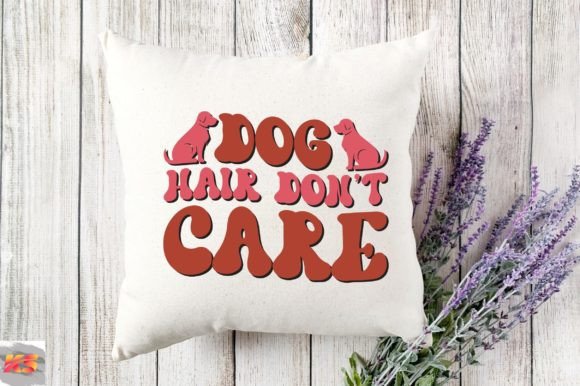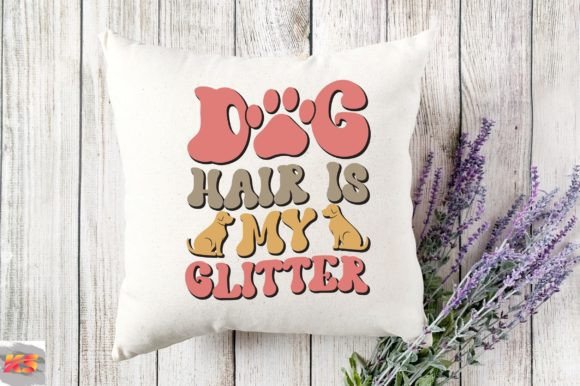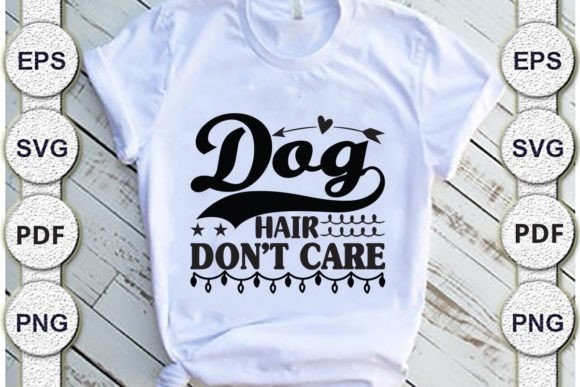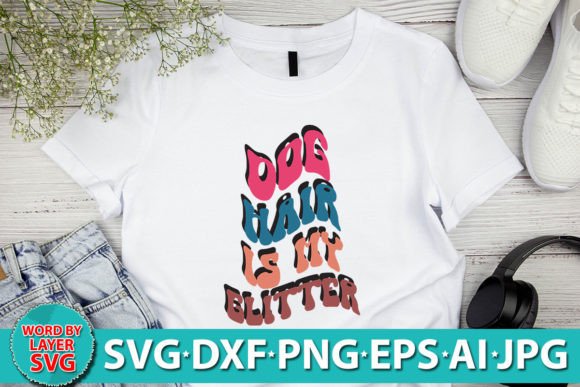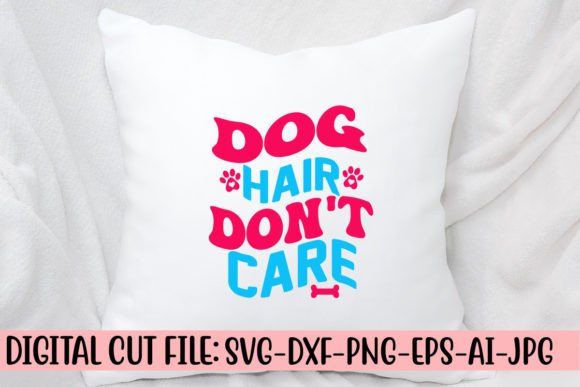
Dog Hair Don’t Care Retro SVG
First Impression: Playful, Punchy, and Perfectly Imperfect
Opening the Dog Hair Don’t Care Retro SVG zip file, I immediately felt that familiar spark—this isn’t just another dog-themed graphic. It’s got attitude. The retro styling—think bold outlines, slightly uneven lettering, and a hand-drawn swagger—lands right between nostalgic and irreverent. As an embroidery designer who’s stitched hundreds of pet-themed pieces for boutiques and Etsy sellers, I appreciate how this design avoids cutesy overload. It doesn’t whisper “puppy love”—it grins and says, “My dog sheds on your couch and I’m proud.” That tone matters. It fits effortlessly on a canvas tote for a dog-walking service, a relaxed-fit sweatshirt for a local rescue volunteer meetup, or even a linen tea towel in a vet clinic’s gift shop.
Real-World Stitch Test: Tote Bag Edition
Last week, I prepped a custom order: three medium-weight cotton canvas totes for a small dog-training studio. Their branding is warm but grounded—no glitter, no paw prints, just authenticity. I chose Dog Hair Don’t Care Retro SVG as the centerpiece. Why? Because it scaled cleanly from 4” to 5.5” without losing legibility, and the word-by-layer structure let me separate “Dog Hair” (satin-stitched outline) from “Don’t Care” (bolder fill-stitched block), giving me control over stitch density and thread contrast. On the first test run, I used medium tear-away stabilizer and 40-weight poly thread—black on natural canvas. The result? Crisp, confident, and undeniably handmade—not mass-produced. Customers commented on how “real” it felt—not just a logo, but a shared inside joke among dog people.
Where It Shines (and Where It Needs Guardrails)
This machine embroidery design excels in projects where personality outweighs precision:
- Custom apparel: Works beautifully on crewneck sweatshirts and structured tote bags—fabrics with enough body to hold the bold lines and moderate fill areas.
- Embroidered patch: The clean outer shape and intentional spacing make it ideal for iron-on or sew-on patches on denim jackets or backpacks.
- Holiday embroidery & personalized gifts: Paired with a simple bone icon or paw print, it adds wit to baby onesies (for dachshund-loving new parents) or kitchen towels gifted at pet-friendly weddings.
- Craft business & Etsy seller use: Its retro charm stands out in digital previews and printable mockups—especially when shown on light and dark fabric backgrounds side by side.
But—and this is where experience kicks in—Dog Hair Don’t Care Retro SVG isn’t universally forgiving. Avoid it on:
- Thin or highly stretchy fabrics (like jersey tees) without heavy cut-away stabilizer—the letterforms can distort during hooping or stitching.
- Curved surfaces like caps unless you reduce size to ≤3.5” and adjust underlay; the “R” and “g” curves risk puckering if overstuffed.
- Dark fabric with light thread unless you add a white underlay layer—some retro fonts rely on subtle edge contrast that disappears without it.
- Products meant for frequent washing (baby bibs, dish towels) unless you verify stitch density isn’t too sparse—those open interior spaces in “O” and “A” need solid fill to prevent fraying over time.
Design Assets That Build Trust—Not Just Aesthetics
As a reviewer who’s seen designs fail at retail because they look great on screen but flat in person, I pay close attention to how a digital embroidery file translates to perceived value. Dog Hair Don’t Care Retro SVG earns trust because it looks *intentional*, not algorithmic. The slight irregularity in stroke weight tells customers this was crafted—not generated. That matters for handmade product positioning. When a client sees this stitched on a boutique apron, they don’t think “cheap clip art.” They think “this shop gets me.” For Etsy sellers, that nuance lifts average order value. For craft fair vendors, it sparks conversation—not just sales.
Practical Embroidery Designer Notes
Before cutting fabric or loading hoops, here’s what I always do with files like Dog Hair Don’t Care Retro SVG:
- Test on scrap fabric first—same weight and weave as your final project. Watch how the “C” and “D” curves behave under tension.
- Check thread color contrast in both black-and-white and full-color mockups. Retro doesn’t mean low-visibility.
- Review stitch density in the fill areas—especially the “a” and “e.” Too dense = stiff fabric; too light = gaps after washing.
- Confirm hoop size compatibility. At 5”, it fits standard 5x7 hoops—but if you’re using a 4x4 machine, scale down and retest detail retention.
- Inspect small details in the AI and SVG files—vector clarity affects how well your embroidery software interprets corners and joins.
- Use proper stabilizer for your fabric type: medium tear-away for stable canvas, cut-away for knits, and water-soluble for delicate layers like appliqué backings.
- Verify licensing before selling finished items or bundling the file in digital product kits. This is a digital download only—not a commercial-use license by default.
Final Thought: A Design That Fits Real Life
Dog Hair Don’t Care Retro SVG isn’t just another graphics file—it’s a mood, a message, and a reliable workhorse for crafters who value wit as much as craftsmanship. It belongs in the toolkit of anyone making custom apparel, embroidered patches, or small-shop merchandise where authenticity sells. Yes, it asks for thoughtful execution—especially on textured or curved surfaces—but that’s not a flaw. It’s a sign the design has presence. And in a crowded market of generic pet motifs, presence is exactly what helps your handmade product stand out, connect, and get remembered.