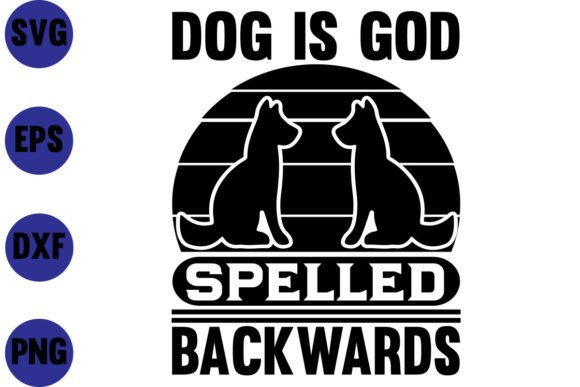
DOG is GOD SPELLED BACKWARDS
A Designer’s First Look: Playful, Punchy, and Purposefully Bold
When I opened DOG is GOD SPELLED BACKWARDS for the first time, my instinct wasn’t to check file formats—it was to hold it up against a mockup of a heavyweight organic cotton tote. Why? Because this isn’t just another text-based embroidery file. It’s got attitude, rhythm, and a quiet confidence that lands somewhere between clever wordplay and heartfelt sentiment. The layout is clean but not sterile: letters are evenly spaced, slightly rounded, with subtle weight variation—enough to suggest hand-drawn charm without sacrificing stitch stability. As a machine embroidery design, it reads instantly at 3–4 inches wide, which makes it ideal for center-chest placements on tees, left-chest positioning on aprons, or bold front panels on baby sweatshirts.
Where This Design Truly Shines in Real Projects
I recently prepped DOG is GOD SPELLED BACKWARDS for a small-batch run of embroidered linen tea towels for a local pet-friendly café. The result? A warm, approachable statement that customers paused to read—and smile at—before buying. That’s the magic: it’s not just legible; it’s *engaging*. As a digital embroidery file, it translates beautifully to sweatshirt embroidery (especially on midweight fleece), custom apparel for dog-walking collectives, and even nursery decor when stitched onto soft cotton muslin pillow covers. Etsy sellers will find it especially effective as a standalone embroidered patch—sew-on or iron-on—paired with neutral-toned denim jackets or canvas backpacks. Its simplicity gives it commercial flexibility: it works equally well on holiday embroidery (think “dog-themed” Christmas stockings) and wedding gifts for couples who met at the dog park.
What to Watch For: Practical Embroidery Realities
That said, DOG is GOD SPELLED BACKWARDS isn’t universally forgiving—and that’s okay. On stretchy fabrics like jersey knits, letter edges can blur if stabilizer isn’t layered thoughtfully (I recommend cutaway + tear-away combo). Thin fabrics—like lightweight baby onesies—need careful tension checks: those crisp corners on the “D” and “G” can pucker if stitch density runs too high. And while the design avoids tiny serifs or fine interior cutouts, the negative space inside the “O” and “D” still demands attention on dark fabric: test your thread colors using black-and-white printable mockups first. You’ll want strong contrast—navy thread on cream, charcoal on oatmeal—not just “what looks nice on screen.” Also, avoid placing it across curved surfaces like cap fronts unless you’re confident in your hooping technique and have verified the file includes underlay stitching.
Design Assets That Support Your Craft Business
The inclusion of SVG, DXF, EPS, and PNG files means DOG is GOD SPELLED BACKWARDS isn’t just an embroidery file—it’s a versatile set of design assets. Use the SVG in your Cricut or Silhouette software for heat-transfer vinyl versions. Pull the EPS into Adobe Illustrator for boutique branding (think shop tags, packaging stickers, or social media banners). The PNG works cleanly in Canva for Etsy listing thumbnails or Instagram story previews. As a Graphics product, it bridges digital and physical workflows seamlessly—which matters when you’re juggling craft fair prep, client revisions, and seasonal inventory drops.
How It Shapes Perception—Before and After Stitching
Here’s what I’ve noticed after stitching DOG is GOD SPELLED BACKWARDS across ten different projects: it elevates perceived value without demanding premium pricing. Customers don’t see “just text”—they see intention, personality, and care. That translates directly to handmade presentation and buyer engagement. A personalized gift stitched with this design feels curated, not generic. A small shop product featuring it reads as part of a thoughtful collection—not filler. Even in commercial embroidery, where consistency is king, its balanced proportions and moderate stitch count keep production reliable and repeatable. But let’s be clear: its strength lies in authenticity, not complexity. Don’t over-embellish it with extra flourishes or dense fill stitches—the charm is in its clarity.
Designer Notes You’ll Actually Use
- Always test on scrap fabric first—especially if pairing with textured weaves like burlap or terry cloth.
- Review stitch density before scaling: enlarging beyond 5 inches may require manual adjustment to prevent thread buildup in corners.
- Confirm hoop size compatibility: this design fits comfortably in a 4×4 hoop at standard size—but verify your machine’s native format support before importing.
- Inspect small details at actual stitch-out scale: zoom in on the junctions of “G” and “O” to ensure no floating threads or skipped jumps.
- Use proper stabilizer: medium-weight cutaway for stable wovens; fusible woven for lightweight knits.
- Check licensing terms before selling finished items: while this is marketed as a Crafts resource, commercial use rights vary by seller—review the original purchase agreement.
Final Thought: A Design That Fits Like a Well-Worn Leash
DOG is GOD SPELLED BACKWARDS doesn’t shout. It grins. It fits naturally into the rhythm of everyday making—whether you’re stitching a single personalized gift or building a cohesive line of pet-inspired merchandise. It respects the craft: simple enough to execute cleanly, expressive enough to resonate, and flexible enough to grow with your business. For embroidery designers, Etsy sellers, and small shop owners who value both practicality and personality, it’s less of a “design download” and more of a trusted collaborator—one that shows up ready to work, not just look good on screen.