Dog Paw Print Splat Ink
First Impressions: Playful, Bold, and Instantly Recognizable
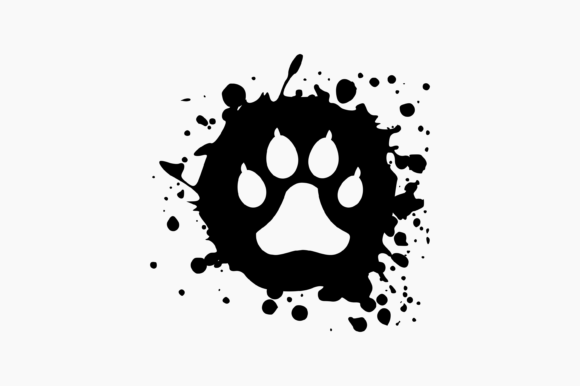
When I opened Dog Paw Print Splat Ink for the first time, I didn’t see just another paw print—I saw a confident, energetic gesture. It’s not a dainty outline or a hyper-realistic canine footprint. It’s a stylized, ink-splatter-inspired paw with strong negative space, slightly asymmetrical toes, and that unmistakable “splat” energy radiating outward. The design feels handmade in spirit but polished in execution—like something you’d sketch on a coffee-stained napkin and then refine for production. That balance makes it unusually versatile: friendly enough for baby onesies, spirited enough for dog-walker sweatshirts, and distinctive enough to anchor a boutique tote bag line.
Real-World Use: From Embroidered Aprons to Etsy Listings
Last week, I prepped a custom order for a local pet-friendly café: six embroidered aprons for staff, each with a small chest logo. I tested Dog Paw Print Splat Ink at 3.2" wide on medium-weight cotton twill, using a light cutaway stabilizer and 40-weight polyester thread. The result? Crisp edges, clean satin-stitched toe outlines, and a fill stitch that held texture without puffing. Customers noticed it immediately—not as “cute,” but as *intentional*. That matters. When your embroidery file becomes part of someone’s brand identity (even a small one), clarity and confidence in the stitch-out are non-negotiable.
I’ve also used it on baby onesies (with tear-away + topping for softness), tea towels (where the splat’s openness prevented thread buildup), and iron-on patches for rescue org volunteers. In every case, the design’s open layout worked in its favor: minimal dense stitching means less risk of puckering on lightweight fabrics, faster sew-out times, and smoother handling on curved surfaces like cap fronts—provided you hoop carefully and use a medium-density stabilizer.
Where It Shines—and Where to Pause
Dog Paw Print Splat Ink excels in projects where personality > precision. Think: custom embroidered pillow covers for a vet clinic waiting room, holiday-themed kitchen towels (“Paw-ty in the Kitchen”), or personalized dog birthday bandanas. Its visual weight holds up well on dark fabric—especially when paired with high-contrast thread like white or neon yellow. And because it avoids fine interior details (no tiny claws, no intricate shading), it scales down reliably: I’ve stitched it cleanly at 2.0" on toddler tees without losing legibility.
That said, tread thoughtfully on stretchy knits like jersey or ribbed sweatshirt fabric. The splat’s outward energy can exaggerate distortion if tension isn’t dialed in or if stabilizer choice is too light. Likewise, avoid placing it directly over seams or heavy topstitching—those ridges interfere with even needle penetration. On textured fabrics like bouclé or thick terry cloth, test stitch density first; sometimes reducing fill stitch density by 10–15% preserves the shape without sacrificing coverage.
Smart Design Choices for Your Craft Business
- Test before committing: Run a sample on scrap fabric matching your final product’s weight, stretch, and color—even if it’s just one corner of the design.
- Check contrast early: View a black-and-white mockup of Dog Paw Print Splat Ink against both light and dark backgrounds. Does the silhouette pop? Does the splat read as movement, not smudge?
- Stabilizer strategy matters: For caps or structured bags, pair with a firm cutaway. For baby items or delicate linens, switch to a lightweight tear-away + water-soluble topping.
- Licensing clarity is key: Since this is a digital embroidery file marketed for unlimited use—including commercial embroidery and finished product resale—verify license terms directly with the seller before listing on Etsy or bundling into craft kits.
Why This Design Builds Trust—Not Just Texture
In my decade of reviewing machine embroidery designs for small shops and makers, I’ve learned customers don’t buy stitches—they buy feeling. A poorly digitized paw print reads as generic. Dog Paw Print Splat Ink reads as *chosen*: thoughtful, joyful, and grounded in real craft sensibility. When a customer sees it on a hand-stitched patch or an embroidered market tote, they sense intention—not just decoration. That translates directly to perceived value, repeat orders, and word-of-mouth referrals.
For Etsy sellers and handmade shop owners, that trust compounds. Listing a product with Dog Paw Print Splat Ink as the focal point signals curation—not just convenience. Pair it with warm-toned thread on natural linen, and you’ve got a cohesive, gift-ready aesthetic. Use it in monochrome on a charcoal sweatshirt? You’ve got modern, gender-neutral appeal. Its flexibility supports brand consistency across categories—whether you’re selling nursery decor, dog-themed stationery, or small-batch apparel.
Final Notes from the Hoop
This isn’t a “set-and-forget” embroidery file. It rewards attention: check how the splat’s outer edge lands on your fabric grain, confirm thread colors harmonize with your product palette, and always inspect the smallest curve—the inner arch of the paw—under magnification before bulk production. If you’re building printable mockups or digital product previews, render Dog Paw Print Splat Ink at multiple angles and sizes—it handles rotation well, thanks to its balanced asymmetry.
As a designer who’s shipped hundreds of embroidery projects—from wedding keepsakes to wholesale boutique lines—I keep Dog Paw Print Splat Ink in my go-to folder for anything needing warmth without whimsy, energy without clutter. It’s not just a paw print. It’s a quiet signature—one that says you care about how things look *and* how they hold up after washing, wearing, and gifting. That’s the difference between a craft business and a lasting creative practice.