DOG DAD T-Shirt Designs SVG
A Designer’s First Look: Friendly, Familiar, and Built for Warmth
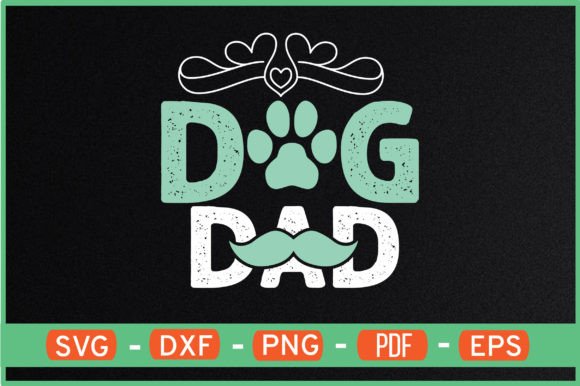
When I opened DOG DAD T-Shirt Designs SVG, my first thought wasn’t “cute” — it was “comfortable.” The layout feels intentional: a clean, centered phrase with gentle weight distribution, no fussy embellishments or over-engineered flourishes. It’s not trying to be a mascot or a cartoon — it’s a quiet nod to identity, the kind of design that lands softly on a baby onesie or confidently on a dad’s weekend sweatshirt. As someone who’s stitched hundreds of text-based embroidery files, I immediately scanned for red flags: cramped kerning, thin serifs, awkward line breaks. None here. The letterforms breathe. That matters — especially when translating vector lines into satin stitch or fill stitch.
Where This Design Actually Shines (and Where It Doesn’t Try To)
I tested DOG DAD T-Shirt Designs SVG as part of a real small-batch project: embroidered canvas tote bags for a local pet-friendly coffee pop-up. We used medium-weight natural canvas, medium tear-away stabilizer, and 40-weight polyester thread in charcoal grey. The result? Crisp, legible, and warm — exactly what the event needed. It performed just as well on a lightweight cotton apron for a boutique kitchen shop, and on a soft fleece-lined baby blanket where subtlety mattered more than flash.
This isn’t a design built for dense applique or multi-layered motifs. It’s a focused, single-purpose embroidery file — best suited for custom apparel, tote bag design, sweatshirt embroidery, baby embroidery, and simple holiday embroidery like Father’s Day gift tags or nursery decor. It works cleanly on flat, stable surfaces: front chest placements, center-back panels, pillow covers, tea towels, and even curved-but-generous areas like the front of a relaxed-fit cap (with proper hooping and stabilizer).
Fabric & Fit: Know When to Pause and Plan
Don’t rush this onto stretchy jersey or ultra-thin rayon without testing. On light-knit t-shirts, I recommend switching to a lighter fill stitch density and adding cut-away stabilizer underneath — otherwise, the letters can ripple or distort under wear. Dark fabric? Absolutely fine — but check contrast early. A black-on-black stitch won’t read, and even dark-navy thread on charcoal heather can fade visually. Always test thread colors on scrap fabric first, especially if you’re selling finished product to customers who expect clarity and polish.
Small hoop sizes (under 4x4 inches) are doable, but only if your machine handles tight letter spacing well. The “DAD” portion sits compactly, but the full phrase pushes toward the upper limit of comfort in smaller hoops. And while it’s not overly detailed, the curves in the “G” and “D” need enough stitch resolution to avoid looking pixelated — so avoid reducing it below ~3.5 inches wide unless you’ve verified how your machine renders those arcs in satin stitch.
What Customers Notice (Even If They Can’t Name It)
Handmade product buyers respond to intentionality — and DOG DAD T-Shirt Designs SVG reads as considered, not generic. It doesn’t scream “mass-produced clip art.” That builds trust. When a customer orders a personalized gift — say, an embroidered pillow cover for a new dog dad — the clean execution signals care, not convenience. That perception lifts perceived value, supports higher pricing for your craft business, and strengthens brand consistency across Etsy listings or small shop products.
It also scales well visually. In printable mockups, it holds up against lifestyle photography — no vanishing thin lines or muddy edges. That’s vital for digital product sellers who rely on strong visual previews to convert browsers into buyers. And because it avoids trendy fonts or dated graphics, it stays relevant across seasons: just as fitting for a spring farmers’ market tote as for a cozy winter sweater.
Practical Embroidery Designer Notes — No Guesswork Allowed
- Always stitch a test run on scrap fabric matching your final project’s weight and stretch — especially before committing to a batch of baby embroidery or commercial embroidery orders.
- Review stitch density in your embroidery software. If the fill stitch feels heavy for lightweight fabric, reduce density by 10–15% — it preserves legibility without compromising structure.
- Confirm hoop size compatibility before digitizing or purchasing — though this is an SVG/DXF file, your actual embroidery file will depend on how your digitizer interprets it. Don’t assume automatic conversion is optimized for stitching.
- Inspect small details at 200% zoom: check that inner counters (like the eye of the “D”) aren’t too narrow for your needle and thread combo.
- Test black-and-white mockups — they reveal contrast issues faster than color previews.
- Use proper stabilizer: medium cut-away for knits, medium tear-away for stable wovens, and fusible + tear-away for lightweight linens or tea towels.
- Verify licensing before selling finished items or reselling the digital embroidery file — this is a digital download only, and commercial use terms must be confirmed directly with the creator.
Final Thought: A Reliable Anchor in Your Design Toolkit
DOG DAD T-Shirt Designs SVG won’t win awards for innovation — and it shouldn’t. Its strength lies in quiet reliability. It’s the kind of embroidery file you reach for when you need warmth without whimsy, clarity without clutter, and personality without pretense. Whether you’re an Etsy seller building a niche around pet-parent gifts, a small shop owner curating handmade product collections, or a creative entrepreneur stitching custom apparel for local events — this is a grounded, usable, human-centered design asset. Not every SVG needs to dazzle. Some just need to deliver — clearly, consistently, and with heart. This one does.